Introduction
Polypropylene fabrics have become an essential material in modern industries due to their strength, lightweight nature, and affordability. Widely used in sectors like packaging, agriculture, and construction, these fabrics offer a reliable solution for both industrial and commercial applications. Their growing popularity is driven by the need for durable materials that can perform well under demanding conditions.
At a fundamental level, polypropylene fabric is a synthetic textile made from a thermoplastic polymer. This composition provides excellent resistance to moisture, chemicals, and wear, making it suitable for long-term use. Unlike many natural fibers, it does not easily absorb water, which helps maintain its structural integrity even in harsh environments.
Another key advantage of polypropylene fabrics is their versatility across different applications. From heavy-duty woven bags to lightweight non-woven materials used in medical and hygiene products, the fabric adapts easily to varying requirements. Manufacturers such as Oberon Polypack play an important role in delivering high-quality solutions that meet global industry standards.
What is Polypropylene Fabric?
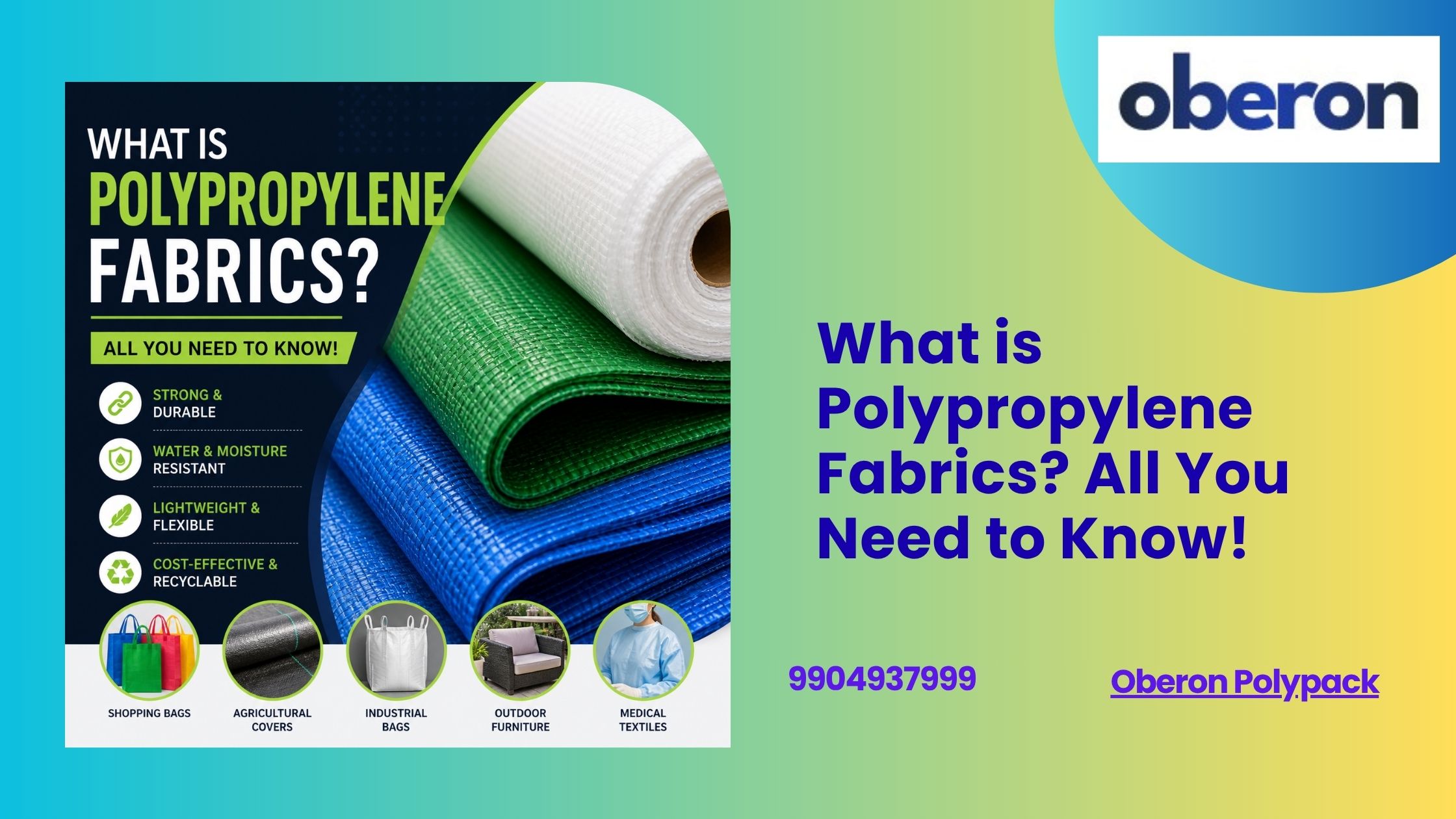
Polypropylene fabrics are synthetic textiles made from a thermoplastic polymer called polypropylene. The material is produced by converting polymer granules into fine fibers, which are then woven or bonded to create fabric. This process allows manufacturers to produce both strong and lightweight materials for various uses.
One of the key features of polypropylene fabric is its moisture resistance and durability. It does not absorb water easily and can withstand chemicals and wear, making it suitable for industrial and outdoor applications. Because of these properties, polypropylene fabrics are widely used in packaging, agriculture, and medical sectors.
How is Polypropylene Fabric Made?
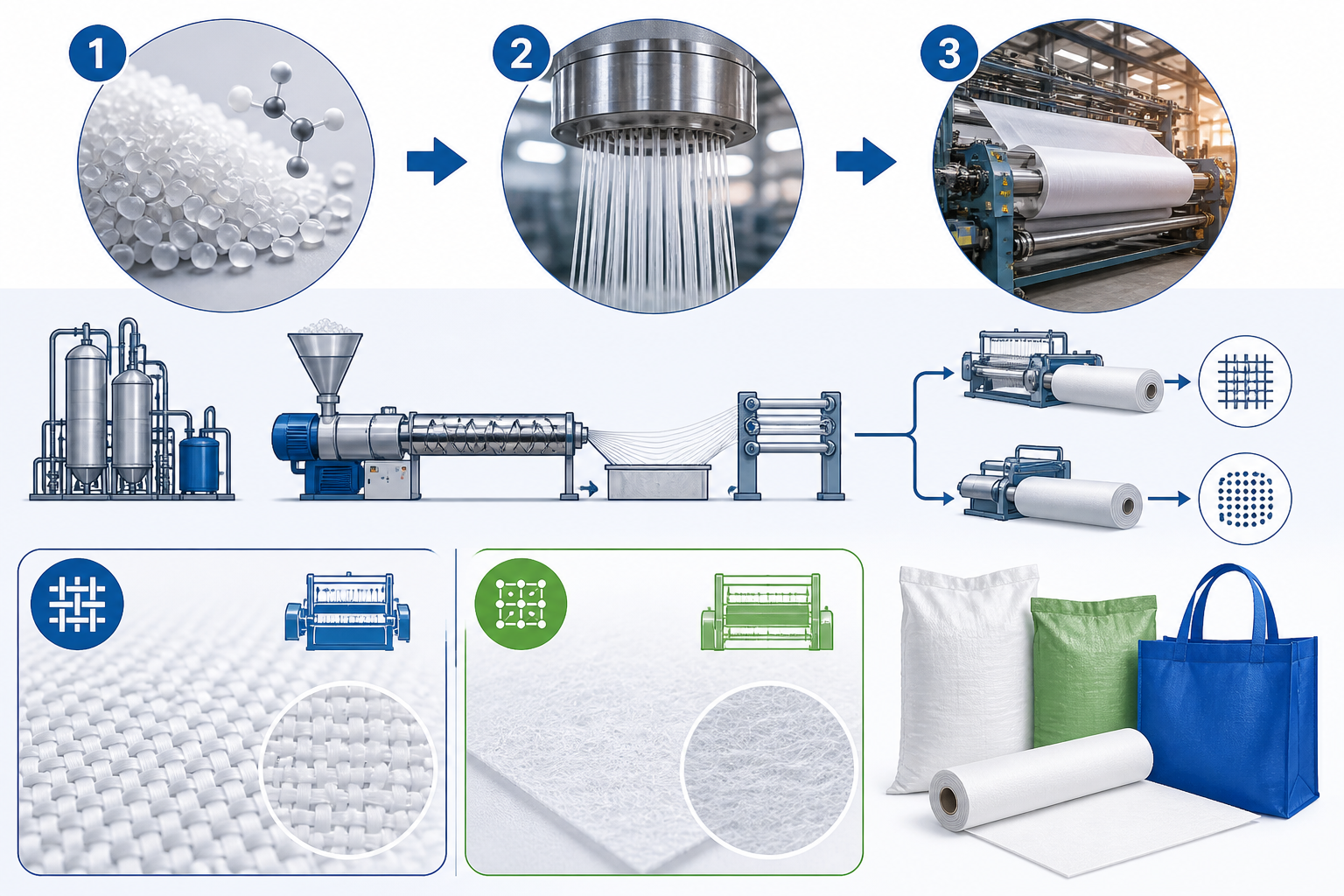
The manufacturing of polypropylene fabrics involves a carefully controlled industrial process that converts raw materials into strong and versatile textile products. Each stage plays a crucial role in determining the final quality, strength, and application of the fabric.
Step 1: Polymerization of Propylene
The process begins with propylene gas, a by-product of petroleum refining. Through polymerization, this gas is chemically transformed into polypropylene resin. The result is small plastic granules that serve as the base material for producing polypropylene fibers.
Step 2: Fiber Extrusion
These polypropylene granules are melted at high temperatures and passed through specialized machines called extruders. The molten material is forced through fine openings to create continuous filaments or fibers. These fibers are then cooled and stretched to improve their strength and durability.
Step 3: Weaving or Bonding Process
Once the fibers are ready, they are processed into fabric using two main methods:
Woven Process: Fibers are interlaced using looms to create woven polypropylene fabric, known for its high strength and load-bearing capacity.
Non-Woven Process: Fibers are bonded together using heat, pressure, or chemicals to form non woven polypropylene fabric, which is softer and more flexible.
Difference Between Woven and Non-Woven Production
Woven fabrics are created through a structured weaving pattern, making them stronger and ideal for heavy-duty applications like packaging bags. In contrast, non-woven fabrics are produced without weaving, resulting in a lighter and more cost-effective material suitable for disposable or short-term uses.
Industrial Manufacturing Relevance
This structured manufacturing process allows industries to produce polypropylene fabrics at scale while maintaining consistent quality. Advanced production techniques used by companies like Oberon Polypack ensure that the final product meets global standards for strength, durability, and performance across various applications.
Types of Polypropylene Fabric
Understanding the types of polypropylene fabric is essential for choosing the right material for specific applications. Broadly, polypropylene fabrics are classified into two main categories based on how the fibers are structured and processed: woven and non-woven. Each type offers unique advantages in terms of strength, flexibility, and cost.
1. Woven Polypropylene Fabric
Woven polypropylene fabric is produced by interlacing polypropylene tapes or threads in a crisscross pattern using looms. This structured weaving creates a strong and stable fabric with high tensile strength, making it ideal for heavy-duty applications.
Because of its robust structure, woven fabric can handle significant weight and stress without tearing.
In industrial packaging, woven polypropylene fabrics are widely preferred because they can handle heavy loads—often exceeding 50 kg—without tearing or losing structural integrity. It also offers good resistance to wear and environmental factors, which enhances its long-term durability.
Common Industrial Uses:
- Packaging bags (rice, cement, fertilizers)
- Bulk bags (FIBC)
- Tarpaulins and covers
- Agricultural ground covers
Durability Benefits:
- High load-bearing capacity
- Excellent tear resistance
- Long lifespan under rough conditions
Woven polypropylene is widely preferred in industries where strength and reliability are critical.
2. Non Woven Polypropylene Fabric
Non woven polypropylene fabric is manufactured by bonding fibers together using heat, pressure, or chemical processes instead of weaving. This results in a softer and more uniform material with a smooth texture.
Unlike woven fabrics, non-woven materials are lightweight and flexible, making them suitable for applications that require comfort, breathability, or disposability. The manufacturing process is also faster and more cost-efficient, which reduces overall production costs.
Key Characteristics:
- Lightweight and easy to handle
- Soft and breathable
- Uniform surface without visible weaving pattern
Common Applications:
- Medical products (masks, PPE kits)
- Shopping bags and packaging
- Hygiene products
- Upholstery and home textiles
Cost-Effectiveness:
Non-woven polypropylene is generally more economical to produce, especially in high volumes, making it a popular choice for single-use or short-term applications.
Both categories highlight how versatile types of polypropylene fabric can be. Choosing between woven and non-woven depends on factors like strength requirements, usage duration, and budget, ensuring the material fits the exact industrial or commercial need.
Properties of Polypropylene Fabric
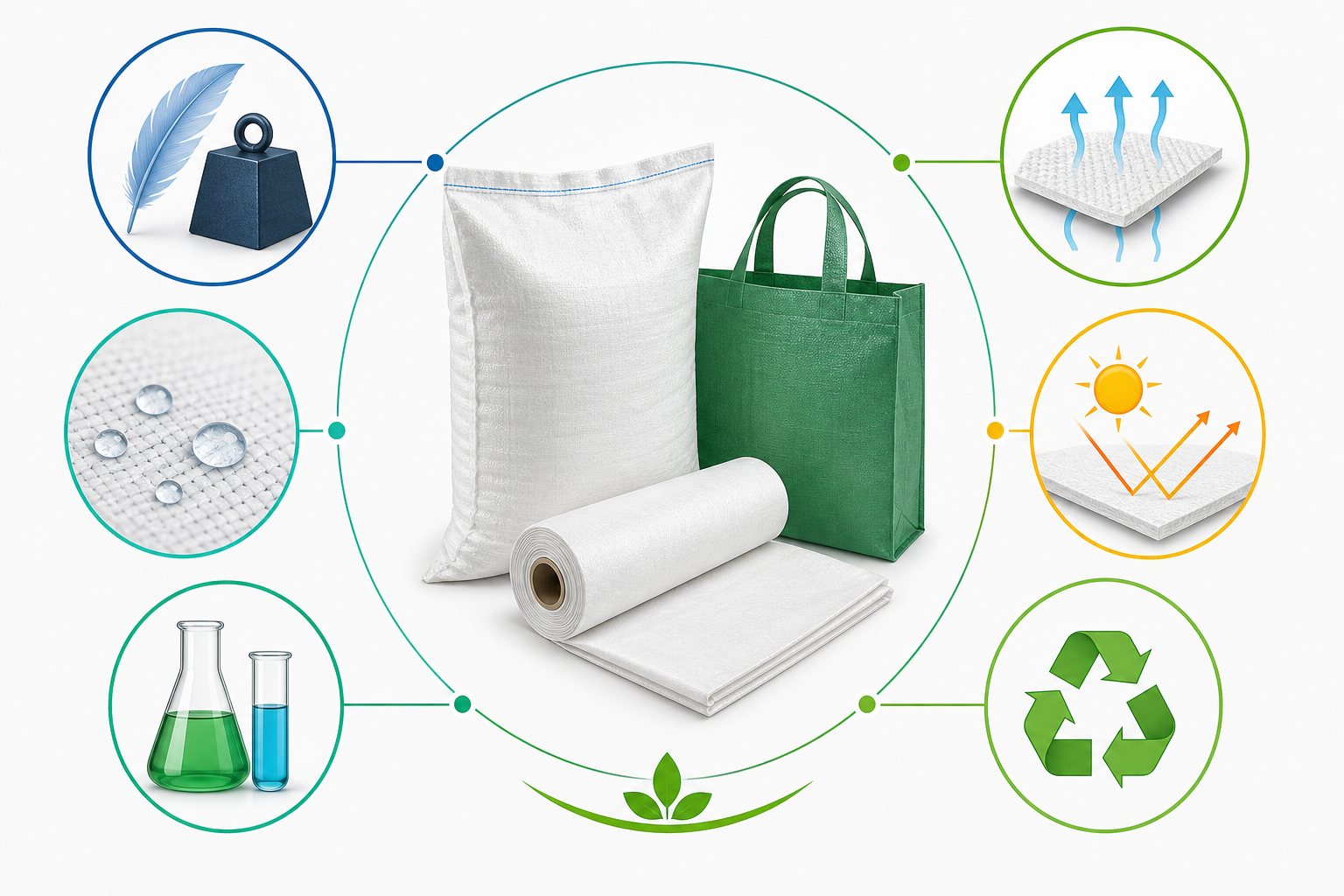
The properties of polypropylene fabric are what make it highly reliable for industrial, commercial, and everyday applications. Its balanced combination of strength, resistance, and sustainability gives it a clear advantage over many traditional materials.
Lightweight Yet Strong: Polypropylene fabric is extremely light in weight, which makes handling and transportation easier. Despite this, it offers excellent tensile strength, allowing it to carry heavy loads without tearing.
Moisture-Resistant: One of the key benefits is its low water absorption. The fabric naturally repels moisture, helping prevent mold, mildew, and damage in humid or wet conditions.
Chemical Resistance: It can withstand exposure to a wide range of chemicals, including acids and alkalis. This makes it suitable for industrial environments where durability is critical.
Breathability: Depending on its structure, especially in non-woven forms, polypropylene fabric allows air circulation. This makes it useful in applications like packaging and medical products.
UV Resistance (Optional Treatment): While standard polypropylene can degrade under prolonged sunlight, it can be treated with UV stabilizers to improve its performance in outdoor environments.
Recyclability: Polypropylene is a recyclable material, making it a more sustainable choice compared to many other synthetic fabrics. It supports eco-friendly practices when properly managed.
These combined properties of polypropylene fabric make it a versatile and cost-effective material across industries.
Uses of Polypropylene Fabric
The uses of polypropylene fabric span across multiple industries due to its strength, lightweight nature, and resistance to moisture and chemicals. Its adaptability makes it suitable for both heavy-duty and everyday applications.
Packaging Industry (Bags, Sacks, FIBC): One of the most common applications is in packaging. Polypropylene fabrics are widely used to manufacture woven bags, bulk sacks, and FIBC (Flexible Intermediate Bulk Containers). These materials provide high strength and durability, ensuring safe storage and transportation of goods.
Agriculture (Ground Covers, Weed Mats): In agriculture, polypropylene fabric is used for ground covers and weed control mats. It helps retain soil moisture, prevents weed growth, and improves crop productivity while being durable enough for outdoor conditions.
Medical (PPE Kits, Masks): Non woven polypropylene fabric plays a crucial role in healthcare products such as masks, PPE kits, and surgical gowns. Its lightweight, breathable, and hygienic properties make it ideal for medical use.
Home Textiles (Carpets, Upholstery): Polypropylene is also used in carpets, rugs, and upholstery fabrics. It offers stain resistance, easy maintenance, and long-lasting performance in household environments.
Industrial Applications: Beyond these uses, polypropylene fabrics are widely used in industrial sectors for tarpaulins, protective covers, geotextiles, and filtration materials, where durability and resistance are essential.
These diverse uses of polypropylene fabric highlight its importance as a versatile material across modern industries.
Advantages of Polypropylene Fabric
The advantages of polypropylene fabric make it a preferred choice for industries that require a balance of performance, cost, and sustainability. Its unique properties allow it to outperform many traditional materials in demanding environments.
High Durability: Polypropylene fabric is known for its excellent strength and resistance to wear and tear. It can withstand heavy loads and rough handling, making it ideal for long-term industrial use.
Cost-Effective: Compared to many other synthetic and natural fabrics, polypropylene is relatively inexpensive to produce. This makes it a budget-friendly option, especially for large-scale applications like packaging and agriculture.
Lightweight: Despite its strength, the fabric remains lightweight, which reduces transportation costs and makes it easier to handle during manufacturing and usage.
Resistant to Moisture and Chemicals: Polypropylene does not absorb water and offers strong resistance to chemicals such as acids and alkalis. This ensures reliability in harsh environmental and industrial conditions.
Eco-Friendly (Recyclable): One of the key benefits is its recyclability. When properly managed, polypropylene fabric can be reused and recycled, supporting more sustainable and environmentally responsible practices.
These combined advantages of polypropylene fabric make it a practical and efficient solution across a wide range of industries.
Disadvantages of Polypropylene Fabric
While the material offers many benefits, understanding the disadvantages of polypropylene fabric is important for making the right application choice. Like any synthetic textile, it has certain limitations depending on usage conditions.
Low Heat Resistance: Polypropylene fabric has a relatively low melting point compared to other materials. Exposure to high temperatures can cause it to deform or lose its structural integrity, making it unsuitable for heat-intensive applications.
UV Sensitivity (Without Treatment): When exposed to direct sunlight for long periods, untreated polypropylene can degrade and lose strength. However, this issue can be reduced by applying UV stabilizers during manufacturing.
Limited Softness Compared to Natural Fibers: Compared to materials like cotton or wool, polypropylene fabric may feel less soft and comfortable. This limits its use in applications where a premium or natural feel is required.
Environmental Concerns if Not Recycled Properly: Although recyclable, improper disposal can contribute to environmental pollution. Responsible recycling and reuse are essential to minimize its environmental impact.
These factors highlight the key disadvantages of polypropylene fabric, helping users choose the right material based on specific requirements.
Woven vs Non-Woven Polypropylene Fabric
Understanding the difference between woven and non-woven polypropylene fabrics helps in selecting the right material for specific applications. Both types serve different purposes based on strength, flexibility, and cost.
Key Comparison Table
| Factor | Woven Polypropylene Fabric | Non-Woven Polypropylene Fabric |
|---|---|---|
| Strength | High tensile strength, suitable for heavy loads | Moderate strength, suitable for light use |
| Cost | Slightly higher due to weaving process | More cost-effective for bulk production |
| Applications | Packaging bags, FIBC, tarpaulins, agriculture | Masks, PPE kits, shopping bags, hygiene products |
| Durability | Long-lasting and resistant to wear | Short to medium lifespan depending on use |
When to Choose Each Type
Choose Woven Polypropylene Fabric: When strength and durability are the priority. It is ideal for heavy-duty applications such as bulk packaging, transportation, and industrial use where load-bearing capacity is critical.
Choose Non-Woven Polypropylene Fabric: When flexibility, softness, and cost-efficiency are more important. It works best for lightweight, disposable, or short-term applications like medical products and retail packaging.
Both options highlight the versatility of polypropylene materials, allowing industries to select the most suitable solution based on performance and budget requirements.
Is Polypropylene Fabric Eco-Friendly?
The eco-friendliness of polypropylene fabrics is often discussed, especially as industries move toward more sustainable materials. While it is a synthetic plastic-based fabric, polypropylene offers several environmental advantages when used and managed responsibly.
One of the biggest benefits is its recyclability. Polypropylene can be melted and reused to create new products, reducing the need for fresh raw materials. In addition, products made from polypropylene fabric—such as woven bags—are often reusable, which helps minimize single-use plastic waste.
Another important factor is its long lifespan. Durable materials tend to have a lower environmental impact over time because they do not need frequent replacement. Compared to some alternatives, polypropylene also requires less energy during production, making it relatively efficient.
However, like all plastics, improper disposal can lead to environmental concerns. If not recycled correctly, it may contribute to pollution. This is why responsible manufacturing and waste management—followed by companies like Oberon Polypack—play a key role in ensuring polypropylene remains a more sustainable option.
Overall, polypropylene fabrics can be considered eco-friendly when they are reused, recycled, and handled with proper environmental practices.
Applications in Packaging Industry
The packaging sector is one of the largest consumers of polypropylene fabrics, thanks to their strength, flexibility, and cost-efficiency. These fabrics are widely used to manufacture durable packaging solutions that ensure safe storage and transportation of goods across industries.
One of the most common applications is in woven polypropylene bags and sacks, which are used for packing products like grains, fertilizers, cement, and chemicals. For larger-scale needs, polypropylene fabrics are used to produce FIBC (Flexible Intermediate Bulk Containers), capable of carrying heavy loads while maintaining structural integrity.
Polypropylene fabric is also valued for its resistance to moisture and environmental conditions, which helps protect goods during transit and storage. Its lightweight nature reduces shipping costs, while its durability minimizes product loss or damage.
Manufacturers like Oberon Polypack play a key role in delivering high-quality polypropylene packaging solutions.
With extensive experience in manufacturing polypropylene packaging solutions, Oberon Polypack understands the performance, durability, and quality requirements across diverse industries. By using advanced production techniques, they ensure consistency, strength, and reliability to meet global industry standards.
Overall, the use of polypropylene fabrics in packaging continues to grow as businesses seek efficient, sustainable, and cost-effective solutions for modern supply chains.
Polypropylene fabrics have become an essential material across industries due to their strength, versatility, and cost-effectiveness. From packaging and agriculture to medical and industrial applications, their wide range of uses highlights their importance in modern manufacturing.
Understanding their properties, types, advantages, and limitations helps businesses choose the right material for their needs. Working with experienced manufacturers like Oberon Polypack ensures consistent quality and reliable performance.
As industries move toward sustainable and efficient solutions, polypropylene fabrics will continue to play a key role in the future of packaging and textiles.
Conclusion
Polypropylene fabrics have become an essential material across industries due to their strength, versatility, and cost-effectiveness. From packaging and agriculture to medical and industrial applications, their wide range of uses highlights their importance in modern manufacturing.
Understanding their properties, types, advantages, and limitations helps businesses choose the right material for their needs. Working with experienced manufacturers like Oberon Polypack ensures consistent quality and reliable performance.
As industries move toward sustainable and efficient solutions, polypropylene fabrics will continue to play a key role in the future of packaging and textiles.
FAQs (People Also Ask)
1. What is polypropylene fabric used for?
Polypropylene fabric is used in packaging, agriculture, medical products, and home textiles. Common examples include woven bags, FIBC bulk containers, masks, PPE kits, and carpets due to its strength and moisture resistance.
2. Is polypropylene fabric safe for skin?
Yes, non woven polypropylene fabric is generally safe for skin, especially in medical and hygiene products. It is widely used in masks and protective wear because it is lightweight, breathable, and non-toxic.
3. Is polypropylene fabric waterproof?
Polypropylene fabric is not completely waterproof but is highly water-resistant. It does not absorb moisture, which helps protect contents from damp conditions.
4. What are the main properties of polypropylene fabric?
The key properties of polypropylene fabric include being lightweight, strong, moisture-resistant, chemically stable, and recyclable. These features make it suitable for a wide range of applications.
5. What is the difference between woven and non woven polypropylene fabric?
Woven polypropylene fabric is made by interlacing fibers, making it stronger and ideal for heavy-duty use. Non woven polypropylene fabric is bonded together without weaving, making it softer, lighter, and more suitable for disposable or short-term applications.
6. Is polypropylene fabric durable?
Yes, polypropylene fabric is highly durable and resistant to wear and tear. It can handle heavy loads and harsh environmental conditions, especially in woven form, making it ideal for industrial and packaging uses.